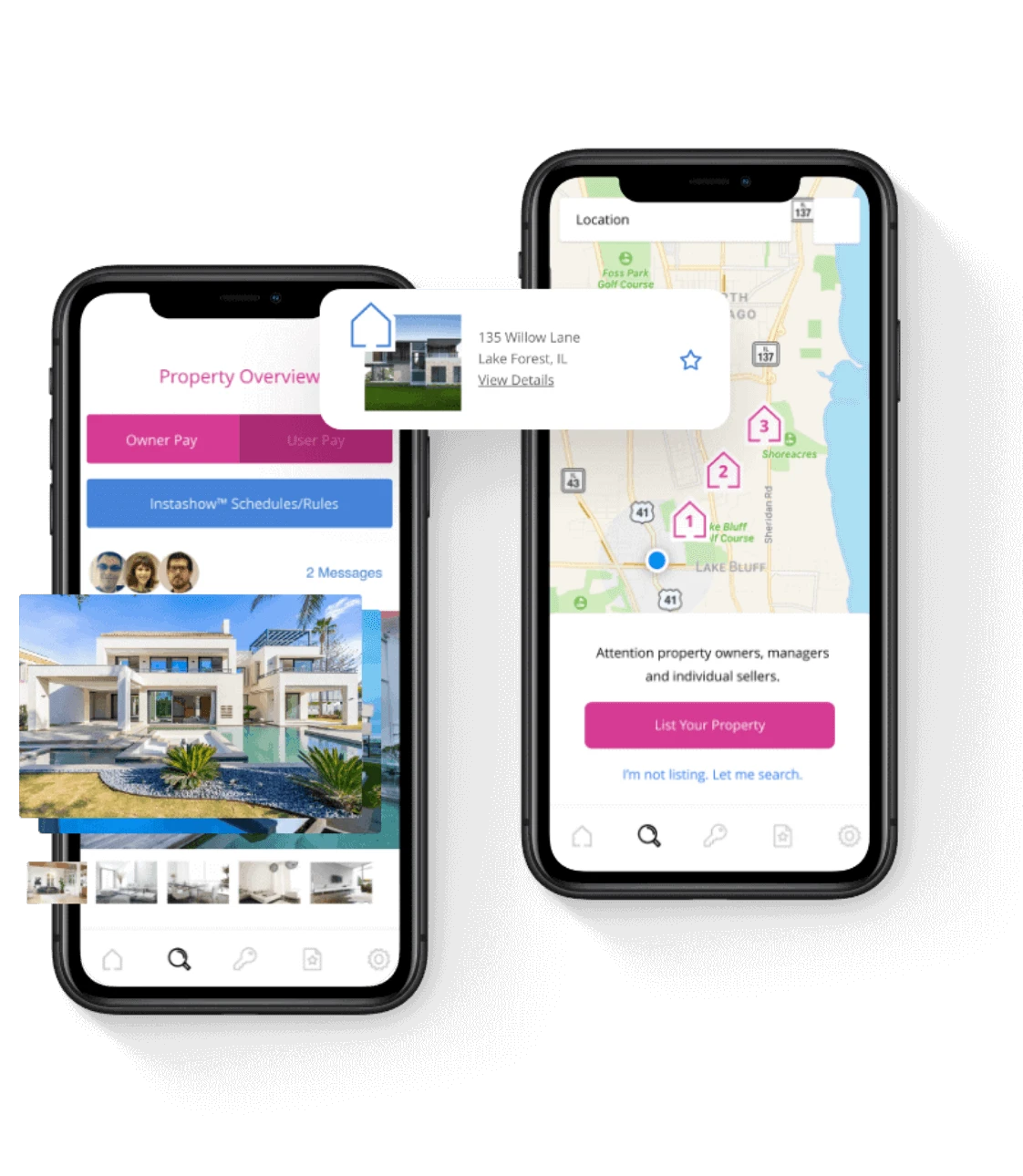
Enterprise Application Development is the process of creating software applications for organizations. These applications are specifically designed to meet the needs of large-scale organizations. They help to streamline business processes, improve collaboration, enhance efficiency, and address unique challenges faced by enterprises.
What Is The Difference Between Traditional & Modern Enterprise Application Development?
Here are some differences between traditional app development and modern app development:
Traditional App Development:
1: The process is slow.
2: Scalability and migration are complex due to dependencies between the application and the operating system.
3: Problem-solving is a slow process.
4: The operations team assesses the code before releasing the application.
5: It is costly and less secure.
Modern App Development:
1: App development is faster.
2: There is no dependency between the application and the operating system.
3: App updates are performed quickly and smoothly.
4: The transition is swift and smooth.
5: You only pay for the required tools, making it highly cost-effective.
6: Data storage is secure and easy to use.
Businesses nowadays are investing in multiple apps to meet their varied challenges and needs, thanks to faster and more affordable technologies. As a result, there are endless types of enterprise apps available out there. Although it's impossible to list every kind of enterprise app, we've attempted to create a comprehensive list to give you a broad idea of the different kinds of enterprise apps you can create. Here are some examples:
1: ERP (Enterprise Resource Planning) app
2: Human resource management app
3: Employee attendance and pay tracking app
4: Business intelligence and automation app
5: Business processes management app
6: Marketing campaign automation app
7: Content distribution and management app
8: Customer support and service app
9: Database and portfolio management app
10: Supply chain management app
11: Billing and payment automation app
12: Collaboration and communication app
Here are some common obstacles that businesses face:
1. Legacy Systems
These are outdated software applications that have been used for a long time. They often lack compatibility with modern technologies, making it challenging to integrate them with new enterprise applications. Legacy computer systems may have limited functionality, poor performance, and security vulnerabilities.
2. Poor Collaboration Between Business and IT
Collaboration is crucial for creating effective apps for businesses. Both the business and IT teams need to work together. Mismatched business and IT strategies can cause problems, making it difficult to meet the organization's requirements. This misalignment can result in delays, rework, and inefficient use of resources.
3. Developer Shortage
There is often a shortage of skilled software developers in the market. Many organizations face difficulties in recruiting and retaining talented developers, resulting in a scarcity of qualified professionals. This scarcity can have adverse effects on enterprise app development, such as project timeline delays and intensified competition for proficient developers.
4. Lack of Organizational Agility
Organizational agility refers to an organization's ability to respond quickly and effectively to customer needs. Inflexible organizations may struggle to adapt to evolving requirements.
Before you begin developing enterprise applications, it's important to consider several factors that may influence and shape your development journey. To stand out in the market, you will need to conduct thorough research and groundwork.
The following are some of the key factors that you should consider before starting your enterprise app development project:
1. Project Goals and End-User Needs:
Determine the scope of your enterprise mobile app development agency, including the actual goals of your project and the immediate customer of the app. Identify the needs of your end-users and how the app will help them. It's also important to consider the scalability of the project.
2. Cost and Time of Development:
Allocate the right amount of time and resources to each stage of the development journey by estimating the cost and time required for the project. This will help you pick the best method and tools for app development.
3. Industry Trends:
Stay up-to-date with the latest trends in the enterprise app development industry and the enterprise application market as a whole. This will help you with your research and planning and give you a blueprint for the kind of app you should aim to develop.