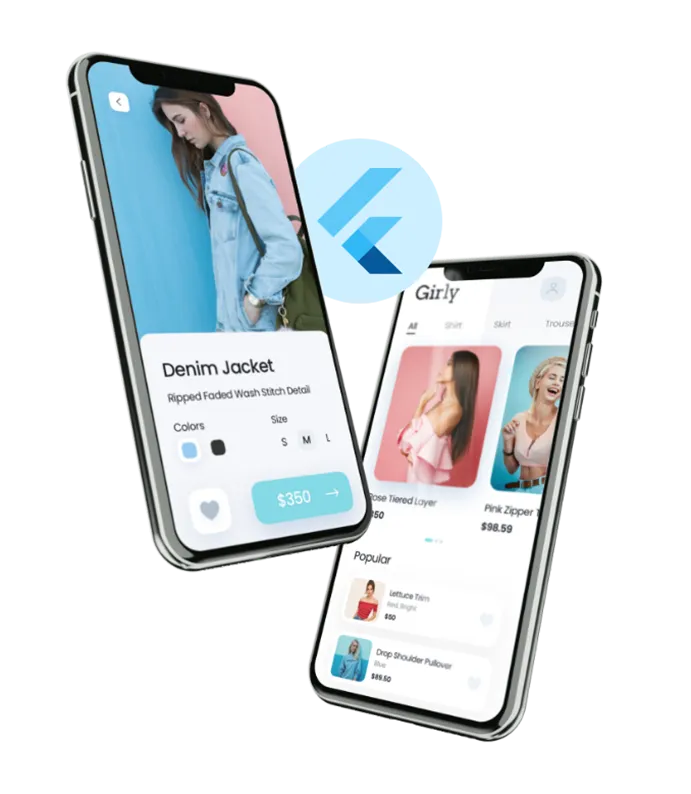
Flutter is a versatile and robust framework for Flutter app development that facilitates the creation of high-quality, cross-platform mobile applications. As a leading Flutter app development company, we leverage Flutter's capabilities to deliver top-notch Flutter app development services.
- 2015: Flutter was first introduced by Google as an open-source project.
- 2017: The first stable version, Flutter 1.0, was released, marking its official launch to the public.
- 2018: Flutter gained momentum as it became more widely adopted, with an increasing number of developers and companies showing interest in its cross-platform capabilities.
- 2019: Google announced Flutter's compatibility with web development, expanding its reach beyond mobile platforms.
- 2020: Flutter 1.20 was released, featuring significant improvements in performance, tooling, and new widgets.
- 2021: Flutter 2.0 was a major milestone, enabling developers to create applications for multiple platforms from a single codebase.
- 2023: Flutter continued to evolve with regular updates, enhancements, and an active developer community.
Whether you are exploring options for a flutter development company or seeking dedicated flutter development services, TechnBrains stands out as a powerful choice for crafting engaging and feature-rich mobile applications.
Cross-Platform App Development:
Flutter is primarily used for cross-platform app development, enabling developers to create applications that run seamlessly on both Android and iOS platforms.
Single Codebase Efficiency:
With Flutter, developers can write a single codebase for their applications, reducing development time and effort.
Rich User Interfaces (UI):
Flutter is renowned for its ability to create visually appealing and interactive user interfaces with extensive customizable widgets.
Hot Reload Feature:
Flutter's hot reload feature allows developers to instantly see the impact of code changes, facilitating quick experimentation and debugging.
Expressive UI Elements:
The framework offers a wide array of expressive UI elements, empowering developers to create complex and dynamic interfaces.
Open-Source Community Support:
Flutter is supported by a robust open-source community, contributing to the framework's growth and providing access to a wealth of libraries, plugins, and tools.
Integration of Third-Party Services:
Flutter seamlessly integrates with various third-party services, allowing developers to effortlessly incorporate additional functionalities into their applications.
Customizable Themes and Branding:
Developers can easily customize themes and branding elements in Flutter, ensuring alignment with the client's brand identity.
High Performance and Speed:
Flutter's compiled codebase and use of the Dart language contribute to high-performance applications with smooth animations and fast execution.
As a leading Flutter app development company, we bring forth comprehensive Flutter app development services that leverage the unique strengths of Flutter.
Efficient Development:
Streamline your development process with Flutter's hot reload feature, enabling rapid iterations and quick debugging.
Cross-Platform Excellence:
Flutter excels in cross-platform development, allowing for the creation of high-performance applications for both Android and iOS with a single codebase.
Beautifully Crafted UIs:
Elevate user experiences with Flutter's expressive and customizable widgets, enabling the creation of visually stunning and consistent UIs.
Enhanced Time-to-Market:
Benefit from faster development cycles and reduced time-to-market with Flutter as a reputable flutter app development company.
Single Codebase, Dual Impact:
Flutter's single codebase approach ensures code consistency across platforms, reducing development efforts and costs. Embrace the benefits of Flutter with our dedicated team, where innovation meets efficiency to drive unparalleled success in Flutter mobile app development.
In flutter app development, various testing types play a crucial role in ensuring the robustness and performance of mobile applications.
Unit Testing:
Focuses on testing individual units or components of the Flutter application in isolation.
Widget Testing:
Specifically targets UI components or widgets to ensure their functionality and interaction meet the specified requirements.
Integration Testing:
Verifies the collaboration and interaction between different components, ensuring seamless integration within the Flutter app.
Functional Testing:
Validates the overall functionality of the Flutter app, covering user interactions and expected outcomes.
Performance Testing:
Assesses the responsiveness, speed, and overall performance of the Flutter app under varying conditions.
UI/UX Testing:
Focuses on the user interface and user experience aspects to ensure a visually appealing and user-friendly application.
Regression Testing:
Ensures that recent changes or additions to the Flutter app do not negatively impact existing functionalities.