Build and Scale Faster
150+ products shipped for startups and enterprises by engineers focused on real outcomes.
"Their ability to quickly understand an unfamiliar use case and respond creatively to it is impressive."

Anonymous
Executive, Pured Disc Golf

"TechnBrains resolved challenges efficiently and turned my vision into a solid, functional product with a strong foundation."

Jalen Gibbs
Founder, STREAMLINE LIVE
"The talent they provided was solid, but more importantly, they were quick to align with our way of working."

Nancy Snyder
Managing Director, MimeCast
Our trusted clients


Start Your Product Journey Today
Turn your idea into a working product. Share a few details and we'll help define the roadmap, timeline, and execution approach.
A Guide to Energy Management Software Solutions in 2024
Energy Management Software (EMS) is a critical tool for businesses and organizations of all sizes to optimize energy use, reduce costs, and achieve sustainability goals. The energy management systems market was valued at USD 43.3 billion in 2023 and is projected to reach USD USD 127.3 billion by 2032, with a compound annual growth rate (CAGR) of 12.7%. The demand...


Updated Jul 02, 2024
Energy Management Software (EMS) is a critical tool for businesses and organizations of all sizes to optimize energy use, reduce costs, and achieve sustainability goals. The energy management systems market was valued at USD 43.3 billion in 2023 and is projected to reach USD USD 127.3 billion by 2032, with a compound annual growth rate (CAGR) of 12.7%. The demand for energy management systems is being driven by a growing emphasis on energy efficiency and sustainability.
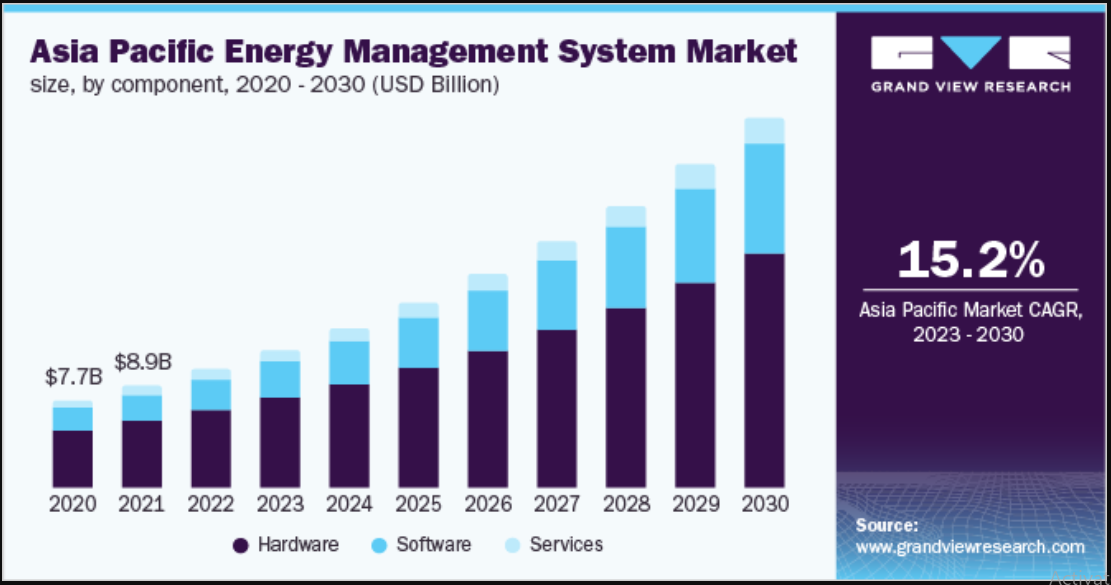
Energy Management Software
Energy Management Software (EMS) is a digital tool that empowers businesses, organizations, and even households to track, analyze, and optimize their energy consumption. It can be challenging for businesses to measure and plan for energy consumption. If energy usage is too low, it can lead to decreased productivity, while high consumption can negatively impact a company’s profits. Therefore, having an effective energy management system in place is crucial. A well-organized energy management software facilitates the monitoring and distribution of energy, thus simplifying long-term operational planning.
Key Features of Energy Management Software
At TechnBrains, the Staff Augmentation Services that we provide has skilled custom software developers that make sure to add these key features in your Energy Management Software:
- Data Collection: EMS gathers data on energy consumption from various sources like smart meters, building automation systems, and utility bills. This data can be collected in real-time or at regular intervals.
- Data Visualization: By building energy management software it presents complex energy data in clear and easy-to-understand dashboards and reports. This allows users to quickly identify trends, patterns, and areas of high energy consumption.
- Alerts and Notifications: energy management systems software can be configured to send alerts and notifications for anomalies in energy usage or potential equipment malfunctions. This allows for prompt intervention and prevents unnecessary energy waste.
- Energy Efficiency Measures: EMS software often suggests and recommends energy-saving measures based on the data analysis. This could include optimizing equipment settings, adjusting building temperature controls, or identifying opportunities for renewable energy integration.
- Reporting and Analytics: EMS generates comprehensive reports that track progress towards energy reduction goals, identify cost-saving trends, and measure the environmental impact of energy consumption.
Why Investing in Energy Management Software is a Must in 2024
According to Statista, the Energy Management market is expected that the number of active households will reach 74.5 million users by 2028. In 2024, the conversation around energy has fundamentally shifted. Soaring energy costs, a heightened focus on sustainability, and stricter regulations are forcing businesses to re-evaluate their energy consumption habits. Here’s why investing in EMS in 2024 is a strategic decision for any forward-thinking organization:
Taming Rising Energy Costs
Global energy prices have spiked in 2024. EMS empowers you to gain real-time insights into your energy consumption, identify areas of waste, and implement targeted strategies for reduction. Imagine the impact on your bottom line – significant cost savings on your energy bills.
Sustainability as a Competitive Advantage
Environmental consciousness is no longer a fad, it’s a driving force. Consumers and investors increasingly favor businesses that demonstrate a commitment to sustainability. EMS helps you track your carbon footprint, integrate renewable energy sources, and optimize energy usage, allowing you to contribute to a greener future and build brand reputation.
Staying Ahead of Regulations
Many regions are implementing stricter regulations around energy efficiency and carbon emissions. EMS helps you stay compliant with these regulations by providing tools for data collection, reporting, and emissions tracking. Avoid potential fines and penalties by proactively managing your energy consumption.
Boosting Operational Efficiency
Building energy management software goes beyond just monitoring energy use. It can identify inefficiencies in equipment operation, building management systems, and overall energy processes. By optimizing these areas, businesses can improve overall operational efficiency and potentially reduce maintenance costs.
Data-Driven Decision Making
Modern EMS solutions leverage advanced data analytics to provide actionable insights. This empowers businesses to make informed decisions about energy procurement, infrastructure investments, and overall energy management strategies. Shift from guesswork to data-driven decision making for optimal results.
How does energy management software (EMS) work?
You might be wondering how does a energy management software (EMS) work? Energy Management Software (EMS) works like a digital command center for your energy consumption. Here’s a breakdown of its core functionalities:
Data Collection
renewable energy management software acts as a central hub, collecting data on energy use from various sources like:
- Smart meters that track real-time electricity usage.
- Building automation systems that monitor HVAC (Heating, Ventilation, and Air Conditioning) equipment and lighting controls.
- Utility bills that provide historical consumption data.
Data Processing and Analysis
The collected data is raw and needs processing. EMS translates this data into a usable format for analysis. EMS uses advanced algorithms to analyze the data and identify patterns, trends, and areas of high energy consumption. This might involve:
- Identifying peak usage hours.
- Detecting anomalies in consumption patterns that could indicate equipment malfunctions.
- Comparing energy use across different departments or facilities (if applicable).
Visualization and Reporting
EMS translates complex data into clear and easy-to-understand dashboards and reports. This allows users to quickly grasp key insights without needing technical expertise. Dashboards might include:
- Real-time or historical energy consumption charts.
- Comparisons with energy benchmarks or past performance.
- Alerts and notifications for abnormal energy use.
In-depth Analysis
EMS generates comprehensive reports that provide valuable insights for informed decision-making. Reports might cover:
- Progress towards energy reduction goals.
- Cost-saving opportunities based on identified inefficiencies.
- Environmental impact of energy consumption (carbon footprint).
Taking Action and Optimization
Based on the data analysis, Energy Management Software suggests and recommends energy-saving measures. Renewable energy management software allows you to monitor the effectiveness of implemented strategies and make adjustments as needed. This cyclical process ensures continuous improvement in your energy efficiency.
This could include:
- Optimizing equipment settings (e.g., adjusting thermostats, dimming lights during off-peak hours).
- Implementing automated control strategies for HVAC systems.
- Identifying opportunities for renewable energy integration (e.g., solar panels).
Types of Energy Management Software Solutions
The energy management software market offers a diverse range of solutions catering to various needs and functionalities. Here are some of the key categories:
1. Building Energy Management Systems (BEMS):
These solutions are specifically designed for managing energy consumption in buildings, offering features like real-time monitoring, automated controls, and occupant behavior analysis.
2. Industrial Energy Management Systems (IEMS)
Tailored for industrial facilities, IEMS provide advanced functionalities for managing complex energy consumption patterns across production lines and processes.
3. Renewable Energy Management Systems (REMS)
These solutions help optimize the integration and utilization of renewable energy sources like solar and wind power, ensuring efficient grid integration and maximizing renewable energy benefits.
4. Enterprise Energy Management Systems (EEMS)
EEMS offer a comprehensive solution for managing energy consumption across multiple facilities or sites, enabling centralized control and analysis for geographically dispersed operations.
Choosing the Right Energy Management Software Solution
With a rapidly growing number of vendors offering diverse features, navigating the options can feel overwhelming. However, fret not! TechnBrains as a leading Energy Management Software Development Company will help you thoroughly evaluate your organization’s unique requirements. Here are some key factors to consider:
Industry
Different industries have distinct energy consumption patterns. For instance, a manufacturing plant might prioritize monitoring machine energy use, while a healthcare facility might focus on HVAC optimization. Look for software with features tailored to your industry’s specific needs.
Business Size and Complexity
The size and complexity of your organization will determine the level of functionality you require. Large enterprises with geographically dispersed facilities might need a scalable solution with advanced analytics. On the other hand, smaller businesses with a single location might be well-served by a user-friendly and cost-effective option.
Budget
EMS pricing varies depending on the features offered, the size of your deployment, and any customization requirements. Establish a realistic budget upfront to ensure you shortlist vendors within your financial constraints. We will be discussing Energy Management Software Price later in this blog.
Technical Expertise
Consider the technical skillset of your staff. Choose user-friendly software that minimizes the learning curve if your team lacks advanced technical expertise.
Scalability
As your business grows, your energy management needs will evolve. Look for software that can scale with you, accommodating additional facilities, users, and data complexity in the future.
Energy Management Software Solutions To Choose From
Now that you have a clear understanding of your requirements, let’s delve into the different types of Energy Management Software Solutions available:
1. Off-the-Shelf Software
These are pre-built software packages with a defined set of features. They offer ease of use, affordability, and quick deployment.
- Ideal for: Small and medium-sized businesses with straightforward energy management needs.
- When to Choose: This option is a good fit if you have a limited budget, a single facility, and require basic functionalities like data visualization and reporting. Off-the-shelf software can also be a suitable starting point for businesses new to EMS to gain experience before potentially exploring more advanced solutions.
2. Custom Customizable Software
We suggest that custom software development gives you solutions offer greater flexibility and can be tailored to address your specific needs and integrate with existing systems. Customization involves modifying existing features or developing new functionalities to meet your unique requirements.
- Ideal for: Large enterprises with complex energy consumption patterns, unique infrastructure, or specific integration needs.
- When to Choose: If your organization has intricate energy management challenges, requires specialized features, or needs to integrate with existing building automation systems, then a customizable EMS is the way to go.
Cloud-Based Software
Cloud-based Energy Management Software solutions are hosted on a remote server, allowing access from anywhere with an internet connection. This eliminates the need for on-premise hardware and software installation, offering scalability and easy maintenance.
- Ideal for: Businesses with geographically dispersed facilities, limited IT resources, or a need for remote access to energy data.
- When to Choose: Cloud-based EMS offers a user-friendly and cost-effective option for organizations that don’t require extensive customization and prioritize remote accessibility.
Open-Source Software
Open-source Energy Management Software provides access to the source code, allowing for customization and integration by developers. This offers the highest level of flexibility but requires in-house technical expertise for implementation and maintenance.
- Ideal for: Technically proficient organizations with a strong IT team capable of managing open-source software and customizing it according to their specific needs.
- When to Choose: This option is rarely chosen by businesses due to the technical expertise required. However, it can be a cost-effective option for organizations with the necessary in-house development resources and a strong understanding of their specific needs.
Energy Management Software Price
The Energy Management Software Price can vary widely, anywhere from $5,000 to $250,000. It all depends on a few factors. The exact pricing of Energy Management Software (EMS) can vary depending on several factors, making it difficult to give a single definitive answer. The level of functionality impacts the cost. Deployment size, customization, and licensing model also influence pricing.
The Future of Energy Management Software Trends to Watch
The energy management software market is constantly evolving, with several trends shaping the future of this technology:
- Cloud-Based Solutions: Cloud-based EMS offers scalability, accessibility, and cost-effectiveness, making it a preferred option for many users.
- Integration with IoT: The increasing adoption of Internet of Things (IoT) devices in buildings and facilities will further enhance data collection and real-time monitoring capabilities of EMS solutions.
- Artificial Intelligence (AI): AI is poised to play a transformative role in EMS by enabling advanced analytics, forecasting capabilities, and predictive maintenance for energy systems.
- Cybersecurity: As data becomes increasingly central to energy management, robust cybersecurity measures become essential to protect against cyberattacks and ensure data integrity.
Seize Control of Your Energy Future
Energy management software (EMS) presents a powerful tool for businesses and organizations of all sizes to navigate the changing energy landscape in 2024 and beyond. By leveraging the insights and functionalities provided by EMS, you can achieve significant cost reductions, improve operational efficiency, and contribute to a more sustainable future.
This comprehensive guide has equipped you with the foundation for exploring the world of energy management software solutions. Remember, conducting thorough research, understanding your specific needs, and considering future growth potential are key to selecting the right EMS solution that empowers you to achieve your energy management goals.
Get Your Energy Management Software From TechnBrains
Are soaring energy costs squeezing your budget? Is sustainability a top priority for your organization? If you answered yes to either question, then TechnBrains has the perfect solution for you: cutting-edge Energy Management Software (EMS) designed to empower you to take control of your energy consumption and achieve your sustainability goals. What we do?
- Reduced Energy Costs: Identify and eliminate energy waste, leading to substantial cost savings on your utility bills.
- Enhanced Operational Efficiency: Optimize equipment performance and building systems, potentially reducing maintenance costs.
- Improved Sustainability: Track your carbon footprint, integrate renewables, and contribute to a greener future.
- Data-Driven Decision Making: Gain actionable insights to make informed decisions about energy procurement and infrastructure investments.
- Compliance with Regulations: Stay ahead of evolving regulations around energy efficiency and carbon emissions.
Take the First Step Towards Energy Independence!
Don’t wait any longer to take control of your energy future. Contact TechnBrains today for a free consultation and discover how our custom Energy Management Software can help you achieve your energy and sustainability goals.
In This Article

Blocked by Backlog or Missed Deadlines?
Senior developers who build, fix, and ship, without slowing your team down.